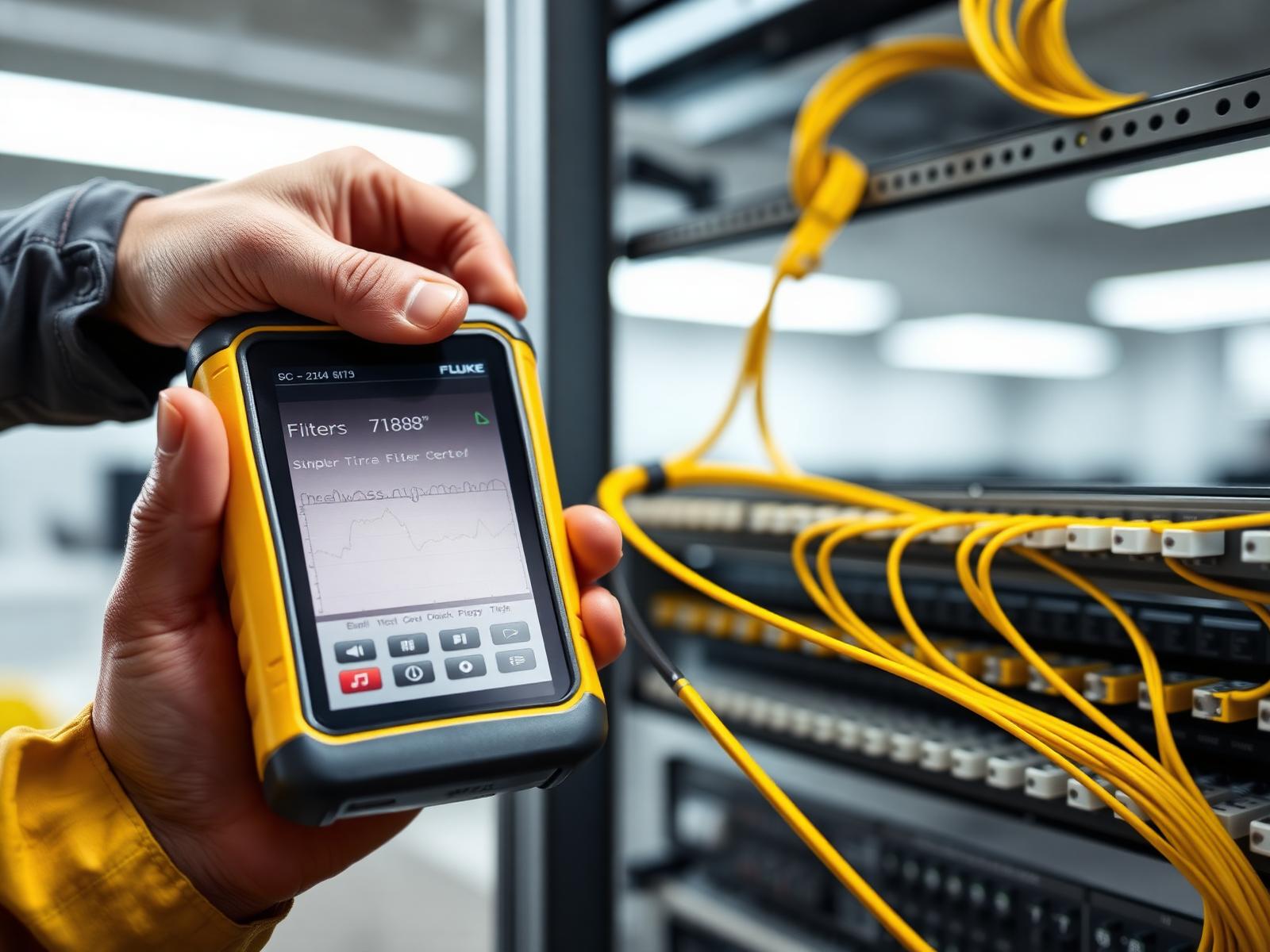
Maintaining optimal performance and longevity for your structured cabling infrastructure is not a reactive task, but a proactive strategy. Access Cabling specializes in comprehensive preventative maintenance programs designed for mission-critical network environments, ensuring maximum uptime and data integrity for enterprise, data center, and campus-wide systems. Unlike superficial inspections, our approach integrates TIA/EIA standards-based assessments with advanced diagnostic tools, providing IT directors, facilities managers, and general contractors with a clear, actionable roadmap to mitigate system degradation, identify potential failure points before they manifest, and extend the operational lifespan of their network assets. We leverage over two decades of specialized expertise to deliver tailored programs that safeguard your investment by focusing on sustained reliability rather than emergency repairs.
Defining Preventative Cabling Maintenance Programs
Preventative maintenance for structured cabling involves a systematic schedule of inspections, testing, cleaning, and adjustments designed to keep the infrastructure operating within its designed parameters and prevent unexpected outages. This extends beyond simple visual checks, incorporating BICSI best practices and TIA-1005 (Telecommunications Infrastructure Standard for Data Centers) or TIA-568-D series standards, depending on the environment. Our programs delineate granular tasks such as fiber optic connector end-face inspection using specialized microscopes (e.g., Fluke FiberInspector, VIAVI FI-60) to identify scratches, debris, or contamination, which are primary causes of optical loss. We also include copper cable integrity checks using certified testers like the Fluke DSX-8000 Versiv CableAnalyzer to measure parameters such as Near-End Crosstalk (NEXT), Return Loss, Insertion Loss, and Propagation Delay, ensuring compliance with category performance specifications. The objective is to identify and address anomalies or signs of wear, such as damaged cable jackets, improper bend radii, or loose connections, before they escalate into performance-impacting issues. A well-executed preventative maintenance strategy reduces the total cost of ownership by minimizing emergency service calls, extending equipment life, and enhancing network reliability.
Consultation and Program Development Methodology
Our preventative maintenance program development begins with a thorough consultation and assessment of your existing network infrastructure and operational requirements. This involves a comprehensive audit of your current cabling plant, including pathways, spaces, bonding and grounding systems, and documentation. We utilize information gathered from existing as-built drawings, change logs, and, critically, on-site surveys to understand the specific environment, including factors like dust, temperature fluctuations, and vibration, which can accelerate cabling degradation. Following TIA-606-C Administration Standard for Telecommunications Infrastructure, we evaluate the current labeling, record-keeping, and patch panel organization. This data forms the basis for designing a bespoke maintenance schedule, outlining inspection frequencies, testing methodologies, and recommended remediation protocols. Our engineering team, certified by manufacturers like Panduit, CommScope, and Corning, then drafts a detailed Statement of Work (SOW) that specifies key performance indicators (KPIs), service level agreements (SLAs) for response times, and preventative measures tailored to your critical systems, ensuring alignment with your business continuity objectives and budget.
Advanced Diagnostics and Performance Benchmarking
Effective preventative maintenance hinges on advanced diagnostic capabilities that go beyond basic connectivity checks. Our technicians employ industry-leading test equipment, such as the Fluke DSX-8000 for copper and the Fluke OptiFiber Pro for fiber, to capture granular performance data. For fiber optic systems, this includes Optical Time Domain Reflectometer (OTDR) traces to locate splices, connectors, and faults, coupled with Optical Loss Test Set (OLTS) measurements to quantify end-to-end attenuation according to TIA/EIA-526-14B (for multimode) or TIA/EIA-526-7A (for singlemode). Copper testing encompasses full certification to the highest installed category, ensuring headroom for future applications. This data is then securely stored and used to establish baseline performance metrics for your infrastructure. Subsequent maintenance cycles allow us to compare current performance against these baselines, identifying trends of degradation or performance variance that might indicate incipient issues. This proactive benchmarking allows for targeted intervention, such as re-terminating a failing connector or re-dressing a patch panel to improve airflow and reduce stress, preventing service interruptions before they impact operations.
Key Components and Environmental Factors
A well-structured preventative maintenance program explicitly addresses the various components of a cabling system and the environmental factors impacting their longevity. This includes inspecting patch cords from reputable manufacturers like Belden or Leviton, which are often the weakest link due to frequent handling. We examine cable bend radii, especially in congested pathways, to prevent micro-bending loss in fiber and performance degradation in copper. The integrity of cable pathways, including conduits, trays, and ladder racks, is assessed for proper support and potential points of abrasion or excessive weight. Environmental considerations such as temperature, humidity, and airborne contaminants are critical. For example, excess dust and humidity in telecommunications rooms can lead to connector contamination or accelerated corrosion of metallic components. Our programs include procedures for cleaning equipment, ensuring proper ventilation, and verifying the functionality of environmental control systems in IDF and MDF locations. Proper bonding and grounding, as per BICSI and NEC Article 250, are also checked to ensure safety and mitigate electromagnetic interference, which can impact data transmission over copper cabling.
Documentation, Asset Management, and Reporting
Central to a successful preventative maintenance strategy is meticulous documentation and asset management. Our programs include regular updates to the client's cabling infrastructure documentation, adhering to the TIA-606-C standard for administration. This encompasses updating port assignments, pathway capacities, and as-built drawings after any moves, adds, or changes (MACs). We provide detailed reports following each maintenance interval, outlining exact measurements, performance metrics, identified anomalies, and recommended corrective actions. These reports typically include Fluke LinkWare Live data, OTDR traces, and visual photographic evidence of issues. This comprehensive documentation serves as a critical asset for IT management, aiding in capacity planning, troubleshooting, and demonstrating due diligence for compliance. It also provides a clear audit trail of work performed, components replaced, and system performance over time, offering invaluable insights into the health and trends of the network infrastructure. Transparent reporting fosters informed decision-making and optimal resource allocation.
Ensuring Compliance and Mitigating Risk
Preventative cabling maintenance is a crucial element in ensuring regulatory compliance and mitigating operational risks. For facilities subject to specific industry regulations, such as healthcare (HIPAA), financial services (PCI DSS), or government (FISMA), network uptime and data integrity are non-negotiable. Our maintenance programs contribute to these compliance requirements by systematically identifying and correcting potential infrastructure vulnerabilities that could lead to data loss, security breaches, or system failures. We assess physical security aspects of the cabling plant, including secure cabinet access and proper cable management, which are often overlooked but critical components of a holistic security posture. By adhering to NEC (National Electrical Code) for safety and TIA/EIA standards for performance, our maintenance activities help clients avoid penalties associated with non-compliance and protect against significant financial losses due to network downtime. The proactive identification and remediation of issues significantly reduce the risk of catastrophic failures, making your IT infrastructure more resilient and dependable.
Access Cabling's Distinctive Approach to Maintenance
What sets Access Cabling apart in preventative maintenance is our combination of deep technical expertise, manufacturer-agnostic recommendations, and a national service footprint. Our C-10/C-7 licensing and 28+ years of dedicated experience across diverse commercial environments underpin our authoritative approach. We don't just inspect; we provide engineering-level analysis of your cabling plant, offering insights only possible through extensive real-world application of TIA/BICSI principles. Our technicians are continually trained on the latest testing equipment and installation practices (e.g., Corning Splicing & Termination methods, Panduit StructuredFit), ensuring that our assessments and recommendations are always current and precise. We commit to transparency, providing detailed, traceable documentation and performance reports that give IT directors and facilities managers complete visibility into their infrastructure's health. By delivering consistent, high-quality preventative maintenance nationwide, we protect your network investment, ensuring long-term reliability and reducing the total cost of ownership across all your facilities, regardless of geographic location.
Integrating PM Programs into Holistic Infrastructure Lifecycle Management
Preventative cabling maintenance is not a standalone activity but an integral component of a comprehensive infrastructure lifecycle management strategy. Our approach systematically integrates PM schedules and findings into an overarching framework that considers capital expenditure planning, technology refresh cycles, and end-of-life management for all physical layer assets. We leverage industry-standard frameworks such as ITIL v4 for service operation and BICSITM's Telecommunications Distribution Methods Manual (TDMM) for best practices regarding cabling infrastructure. This integration ensures that maintenance activities, such as regularly scheduled fiber optic link loss testing using an OTDR (Optical Time Domain Reflectometer) like an EXFO FTBx-730C or copper cable certification with a Fluke Networks DSX-8000 Versiv CableAnalyzer, not only identify current performance degradation but also inform future network upgrades. For instance, consistent near-end crosstalk (NEXT) failures on legacy Category 5e runs might trigger a budget allocation for a Category 6A upgrade in a future fiscal year. Furthermore, the data collected from these maintenance operations, including splice loss measurements, return loss (RL) values, and power meter readings, feed directly into our asset management systems. This allows for accurate depreciation schedules, informed capacity planning, and optimized procurement processes for replacement components, avoiding reactive, high-cost emergency repairs. The synergy between preventative maintenance and strategic asset management significantly reduces total cost of ownership (TCO) by extending the useful life of existing infrastructure while mitigating the risks associated with unexpected downtime or costly emergency repairs, which often carry a premium for rapid response and expedited materials. Our detailed reporting provides IT and Facilities management with actionable intelligence to make data-driven decisions on infrastructure investments.
Advanced Testing Methodologies and Predictive Failure Analysis
Our preventative maintenance protocols extend beyond basic connectivity checks by incorporating advanced testing methodologies and predictive failure analysis. For fiber optic networks, this involves routine Optical Time Domain Reflectometry (OTDR) scans to characterize fiber links, identify macrobends, microbends, dirty connectors, or attenuation anomalies that could prefigure outright failure. We utilize high-resolution OTDRs with dynamic ranges suitable for various fiber types (e.g., SMF-28e+ for OS2 singlemode, OM3/OM4 for multimode), performing bi-directional testing as per TIA/EIA-568 standards to ensure accurate event detection and fault localization. For copper infrastructure, we employ Tier 2 certification testers that not only verify continuity and wiremap but also analyze parameters such as return loss, NEXT, FEXT, PS-NEXT, PS-FEXT, ACR-F, and TCL, which are critical indicators of impending performance issues or EMI susceptibility. Thermal imaging, using FLIR or similar cameras, is also integrated into our inspections to identify overheating network components, power over Ethernet (PoE) circuits, or associated power infrastructure that might indicate stress or degradation. This data, recorded over time, forms a baseline for trend analysis. By comparing current test results against historical data and industry-specific thresholds (e.g., TIA-942 for data centers, ISO/IEC 11801 for generic cabling), we can identify patterns of deterioration. This enables us to predict potential component failures, such as connector degradation due to repeated mating cycles or insulation breakdown from environmental stressors, allowing for proactive component replacement during scheduled downtime rather than reacting to catastrophic outages. This predictive capability is a cornerstone of minimizing operational disruption and maximizing network uptime, shifting from a reactive break-fix model to a proactive, data-driven maintenance strategy that anticipates and mitigates risks before they impact service delivery.
Navigating Regulatory Compliance and Industry Standards Evolution
Adherence to a continually evolving landscape of regulatory compliance and industry standards is a critical, yet often overlooked, aspect of preventative cabling maintenance. Our programs are meticulously designed to ensure ongoing conformity with relevant codes and standards, safeguarding against penalties, insurance complications, and operational risks. This includes, but is not limited to, ANSI/TIA-568 series for commercial building telecommunications cabling, ANSI/TIA-942 for data center infrastructure, NFPA 70 (National Electrical Code - NEC) for electrical safety regarding low-voltage cabling installation and grounding, and local building codes. Specific attention is given to plenum-rated cabling requirements (UL 2024, NFPA 262) in air-handling spaces, firestopping integrity around cable penetrations (UL 1479, ASTM E814), and proper grounding and bonding practices (TIA-607-D) to mitigate EMI and ensure system longevity. During scheduled inspections, we verify that installations continue to meet these specifications, flagging any deviations that may have arisen from prior alterations or environmental changes. For example, the introduction of non-plenum rated cabling into an air plenum post-installation would be identified as a fire safety violation. Furthermore, with the increasing reliance on Power over Ethernet (PoE) for devices like Wi-Fi 6E access points and IoT sensors, we verify proper cable bundling and heat management in accordance with recent TIA-568.2-D addenda, which specify maximum bundle sizes and temperature rise limits to prevent premature cable degradation. We also monitor evolving standards; for instance, the transition from Category 6A to Category 7/7A or pending standards for higher-speed passive optical networks (PON) in enterprise environments. By integrating these compliance checks into our routine maintenance, we provide auditable records that demonstrate due diligence, mitigate legal exposure, and ensure a safe, high-performing cabling infrastructure that meets or exceeds current regulatory requirements and anticipates future mandates.
Optimizing Network Resiliency Through Environmental Control and Physical Security
Optimizing network resiliency goes beyond cabling performance metrics, encompassing stringent environmental control and robust physical security measures, which are integral to effective preventative maintenance. Our programs incorporate detailed assessments of the operational environment for all active and passive network components. This includes continuous monitoring of temperature and humidity within server rooms, data closets, and telecom rooms, ensuring these parameters remain within manufacturer-specified operating ranges to prevent component overheating, condensation, and corrosion. We utilize integrated environmental monitoring systems (e.g., from APC, Raritan) to track these conditions and identify potential HVAC failures or insufficient airflow that could lead to thermal stress on sensitive electronics, such as optical transceivers or network switches. Dust accumulation, a common cause of fiber optic connector degradation and active equipment overheating, is addressed through scheduled cleaning protocols, including the use of specialized lint-free wipes and 99% isopropyl alcohol for connector end-face cleaning, verified with a fiber inspection probe (e.g., Viavi FiberChek). Physical security audits are also critical and performed in conjunction with maintenance. This involves verifying the integrity of rack and cabinet locking mechanisms, ensuring cable pathways are secured to prevent unauthorized access or accidental damage, and identifying potential single points of failure due to inadequate cable management or unprotected patching fields. We examine the physical routing of diverse path cables for redundancy, ensuring logical separation of power and data cabling (e.g., adherence to TIA-606-C for cable management and labeling) to minimize electromagnetic interference (EMI) and reduce the risk of accidental disconnection. This comprehensive approach to environmental and physical security, embedded within our preventative maintenance, fortifies the network's resilience against both environmental stressors and potential human error or malicious intent, thereby safeguarding critical business operations and data integrity.