
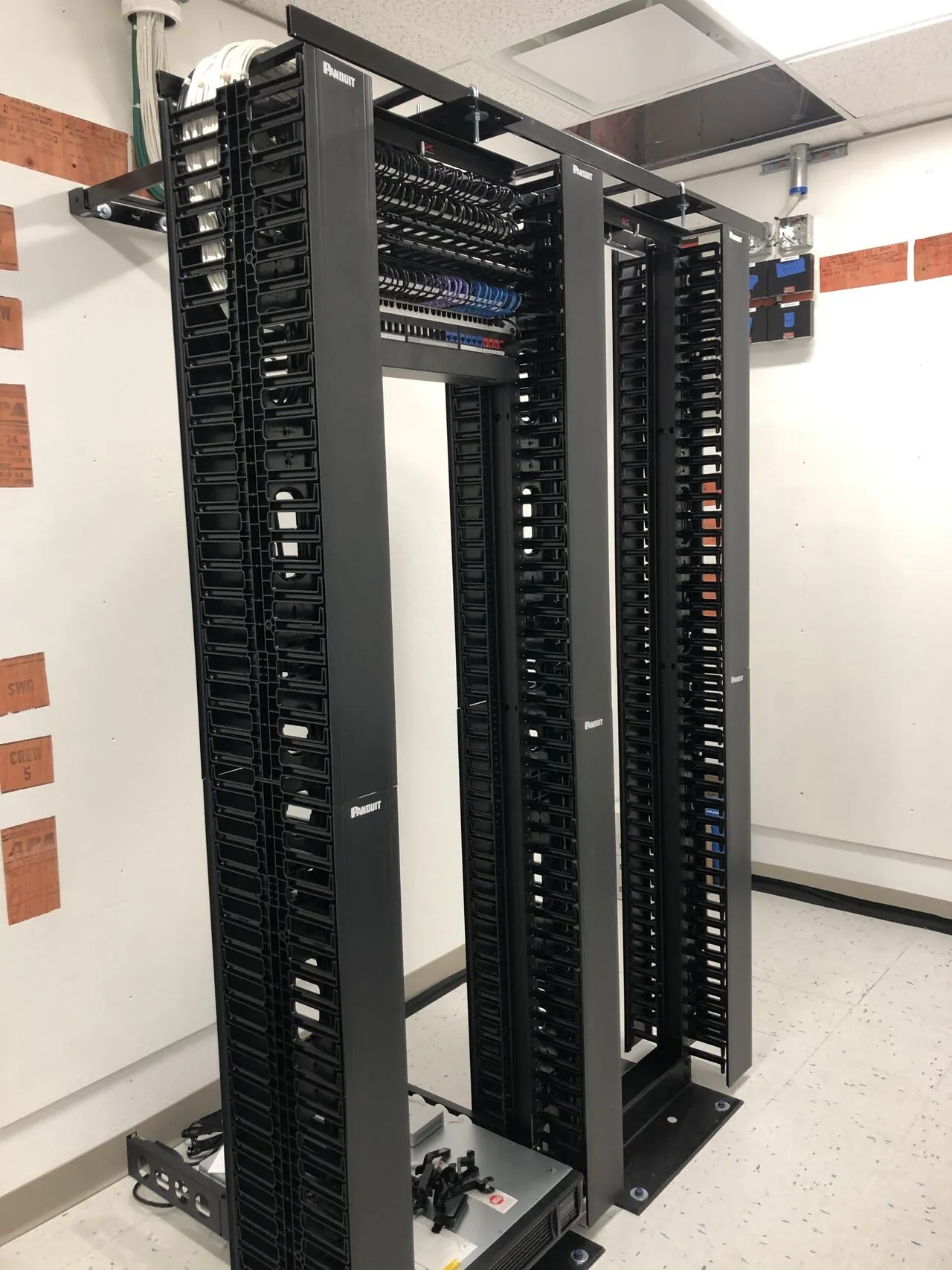
Contractor selection is the highest-leverage decision on any low-voltage project. A qualified contractor prevents the change orders, warranty gaps, and re-work that dominate the total cost of ownership on a poorly-selected one. The right questions filter the field quickly.
- Verify license, insurance, and manufacturer certification before signing.
- Ask for two references from projects in the last 12 months of similar scope.
- Insist on Fluke certification and native test files in the deliverable.
- Confirm the warranty registration path before the project starts.
Executive summary
A defensible contractor selection covers licensing, insurance, manufacturer certification, references, and closeout deliverables. Twelve specific questions filter almost every reasonable bidder from every unreasonable one.
What bad selection costs
An unlicensed contractor cannot register a manufacturer warranty. An uninsured contractor is a liability the property owner absorbs on any injury. A contractor without recent similar-scope experience is learning on your project. Each of these is preventable in the first phone call.
Twelve questions to ask
- What is your current California C-7 or C-10 license number?
- What is your general liability and workers' comp insurance carrier and limit?
- Which manufacturers certify you for warranty registration (Panduit, CommScope, Leviton, Belden, Corning)?
- How many BICSI-credentialed technicians are on staff (Installer 2, RCDD)?
- Which tester makes and models does your team use, and what is your calibration cycle?
- What test standard and accuracy level will you certify to?
- What is the closeout deliverable — .flw files, cable schedule, rack elevations, warranty registration?
- Two references from similar-scope projects completed in the last 12 months?
- How do you handle change orders and unforeseen conditions?
- What is your MSA rate for post-project MAC work?
- Who is the on-site foreman and what is their experience?
- How do you protect occupied spaces during install (ICRA, dust barriers, etc.)?
Common mistakes in selection
- Picking the low bid without confirming inclusions.
- Failing to check the license status with the licensing board.
- Accepting a warranty from a non-certified installer — the warranty is not registrable.
- Skipping the reference calls — they take 20 minutes and prevent 200-hour problems.
Best practices
- Prequalify three contractors before issuing an RFP.
- Use the same drop count, cable type, and pathway assumption for every bidder.
- Score the bids on completeness, not just price.
- Award to the best fit for the scope, not the lowest number on the page.
When to call a professional
Every project over $10,000 benefits from the twelve-question conversation. Every project over $50,000 justifies formal RFP with scored responses and reference calls.
- What Are Low Voltage Systems? — Know what scope you are buying before you interview contractors — and why a C-7 license matters in California.