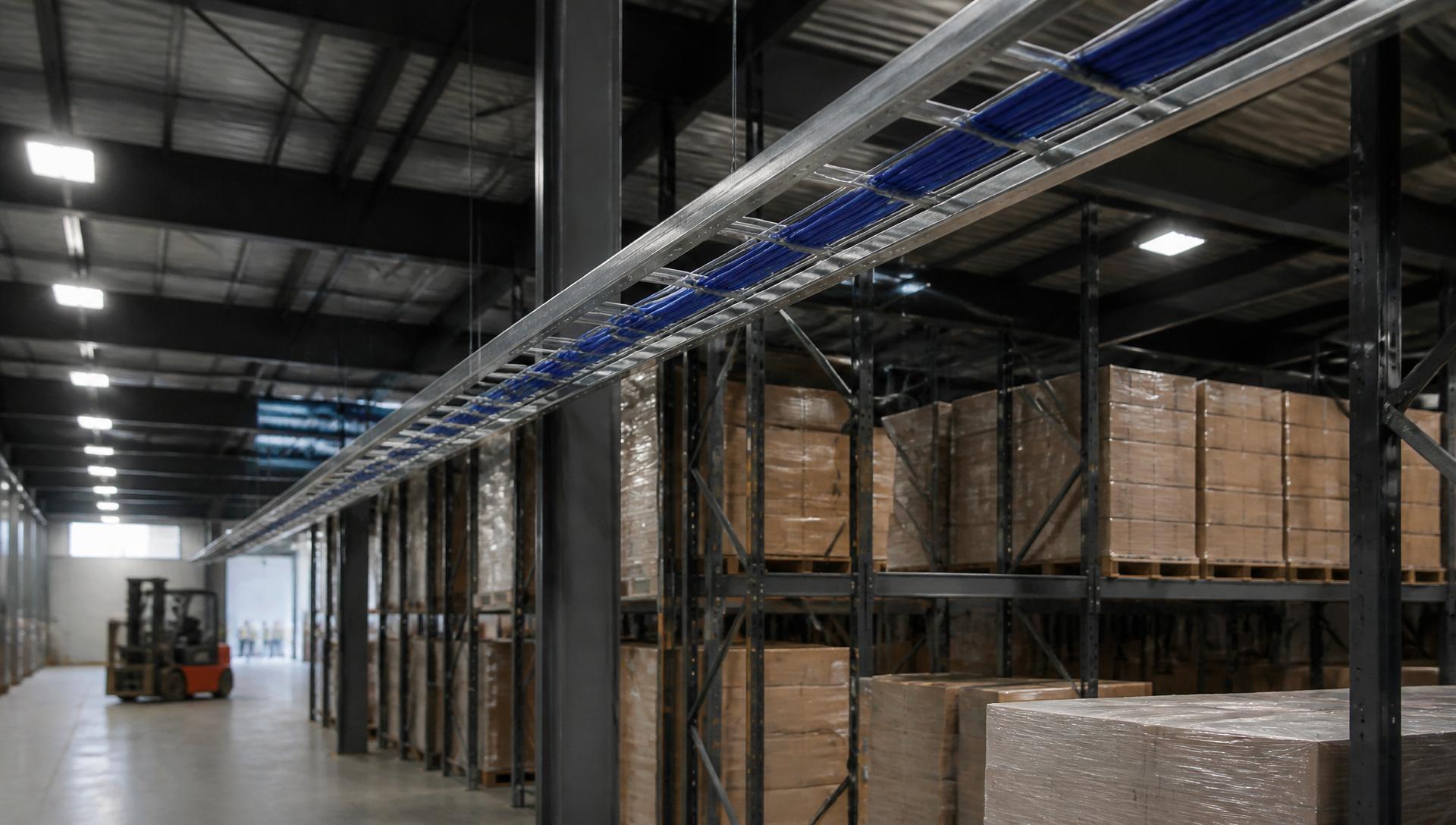
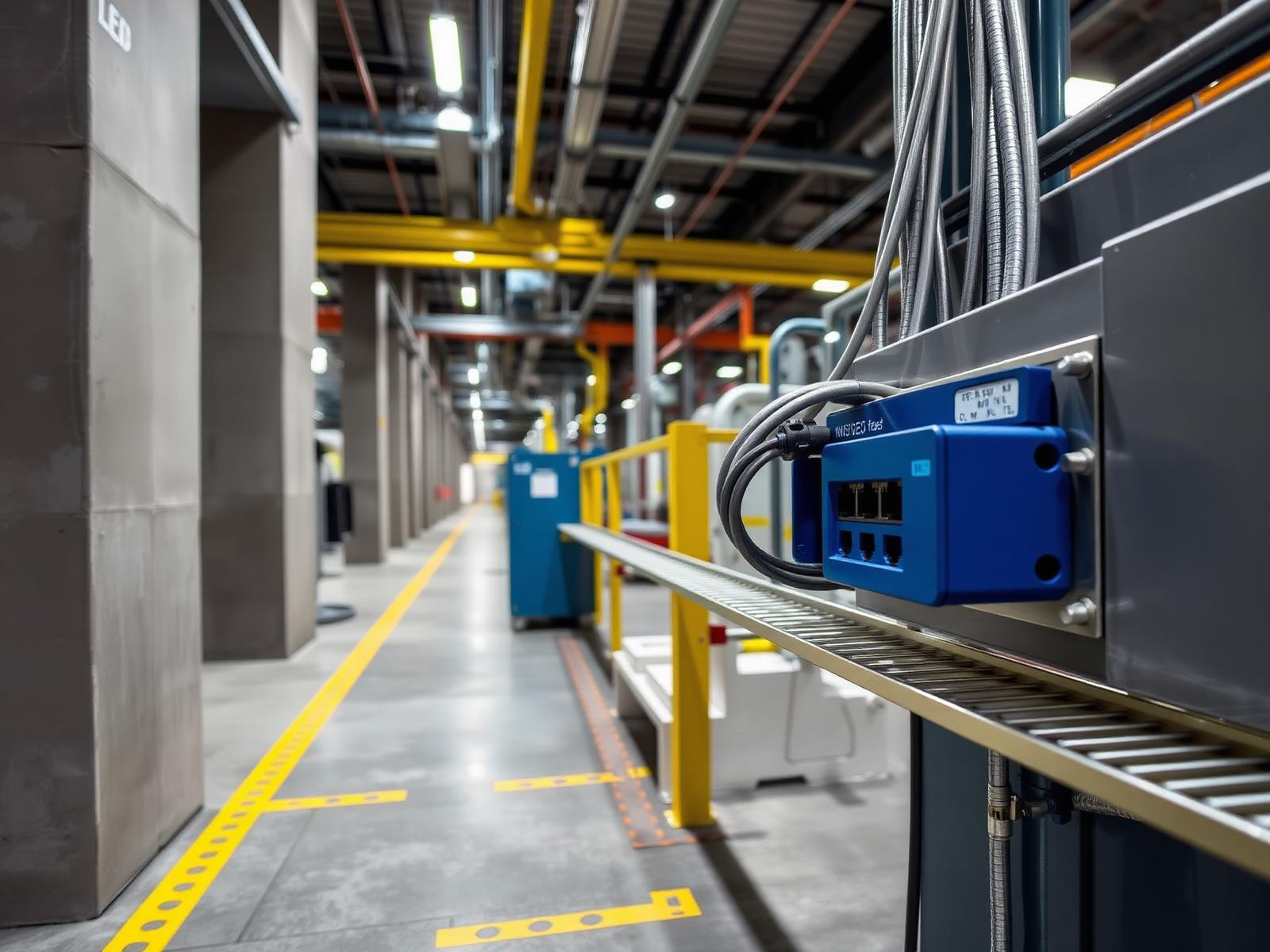
Manufacturing facilities, processing plants, and heavy industrial environments present unique and rigorous challenges for network infrastructure. Unlike typical commercial office spaces, industrial settings are characterized by extreme temperatures, humidity, corrosive agents, electromagnetic interference (EMI), vibration, and the constant threat of physical damage. Reliable industrial cabling is not merely a convenience; it is the backbone for operational technology (OT) systems, supporting real-time data acquisition, process control, robotics, automation, and critical safety systems. Access Cabling specializes in designing, deploying, and maintaining robust industrial-grade network infrastructure that withstands these harsh conditions, ensuring uninterrupted data flow and maximizing uptime for sensitive production processes. Our approach integrates deep understanding of industrial protocols, environmental resilience, and stringent safety requirements, delivering solutions engineered for longevity and performance in the most demanding operational landscapes.
Foundational Requirements and Applicable Standards for Industrial Cabling
Industrial cabling necessitates a distinct deviation from standard commercial practices due to the inherent severity of operating environments. Key considerations include chemical resistance, UV stability, impact resistance, and tolerance to wide temperature fluctuations. Adherence to specific industry standards is paramount for ensuring long-term reliability and interoperability. This includes TIA-1005-A (Telecommunications Infrastructure Standard for Industrial Premises), which defines requirements for industrial infrastructure across various environmental classifications (MICE — Mechanical, Ingress, Climatic/Chemical, Electromagnetic). Additionally, standards like ISA/ANSI-50.00.01 for fieldbus wiring and sector-specific guidelines like ODVA (Open DeviceNet Vendor Association) for Ethernet/IP or PI North America (PROFIBUS & PROFINET International) for PROFINET must be meticulously integrated into design and material selection. Unlike commercial installations, where CAT 6A might suffice, industrial applications frequently demand fiber optic solutions for EMI immunity, or specialized shielded copper variants like CAT6A F/UTP or S/FTP with robust jacket materials (e.g., PUR, TPE) capable of resisting oils, solvents, and abrasion. Our team leverages this comprehensive understanding to specify and deploy systems that meet or exceed these intricate performance and environmental benchmarks, preventing premature failures that can halt production.
Robust Cabling Material Selection for Extreme Industrial Conditions
The selection of industrial cabling materials is critical to system longevity and performance, directly addressing the unique environmental stressors of manufacturing and processing floors. Unlike typical PVC or LSZH jackets used in office environments, industrial applications often require cables with jackets made from Thermoplastic Polyurethane (TPU), Thermoplastic Elastomer (TPE), or Cross-linked Polyethylene (XLPE) for enhanced resistance to chemicals, oils, abrasion, and extreme temperatures. For data transmission, fiber optic cable, particularly armored variants, is often preferred for backbone and inter-building links due to its inherent immunity to electromagnetic interference (EMI) and radio frequency interference (RFI), which are pervasive in environments with heavy machinery, variable frequency drives (VFDs), and welding operations. When copper is necessary, heavily shielded options like CAT6A S/FTP (screened foiled unshielded twisted pair) or braided shield cables are critical to protect against noise. Manufacturers like Belden, CommScope, and Panduit offer specific industrial-grade product lines engineered for these challenges, providing solutions ranging from continuous flex cables for robotic applications to direct burial rated cables for harsh outdoor plant areas. Access Cabling specifies components from these leading manufacturers, ensuring that every cable, connector, and conduit chosen is purpose-built for the intended operational environment, mitigating the risk of premature degradation and signal integrity loss.
Strategic Network Design for Industrial Automation and Control
Effective industrial network design goes beyond simply connecting devices; it involves creating a resilient, scalable, and manageable architecture that supports both informational technology (IT) and operational technology (OT) requirements. This often entails implementing industrial Ethernet networks segmented using VLANs (Virtual Local Area Networks) to prioritize critical control traffic away from less time-sensitive data, reducing latency and increasing reliability. The design must account for the physical layout of the plant, identifying potential sources of EMI/RFI, vibration, and temperature extremes, and planning cable routes accordingly using appropriate conduit (e.g., rigid metallic conduit for EMI shielding) and cable trays. Considerations for redundant pathways (e.g., ring topologies for fiber) and power over Ethernet (PoE) for IP-enabled devices like cameras or sensors are also crucial. Access Cabling's design methodology incorporates a detailed site survey to identify these unique environmental factors and operational workflows. We develop comprehensive network blueprints, often collaborating with control engineers, to ensure seamless integration with Programmable Logic Controllers (PLCs), Human-Machine Interfaces (HMIs), SCADA systems, and industrial IoT (IIoT) devices. This meticulous planning stage minimizes unforeseen issues during deployment and optimizes long-term system performance and maintainability, aligning with the principles of ISA-95 for enterprise-control system integration.
Advanced Installation Techniques for Rugged Industrial Deployment
Industrial cabling installations demand specialized techniques and rigid adherence to safety protocols far exceeding those for typical commercial projects. This includes strict conduit fill ratios, proper grounding and bonding to mitigate EMI, and precise termination procedures for shielded cables and industrial-grade connectors (e.g., M12, RJ45 with IP67 ratings). Cable routing must avoid heat sources, corrosive chemical exposure, and mechanical stress points, often utilizing heavy-duty cable tray systems, hazardous location certified conduits, or direct burial methods. When deploying fiber optics, fusion splicing is often preferred over mechanical splicing for its superior attenuation characteristics and long-term stability in vibrating environments. Furthermore, installers must be proficient in working at heights, in confined spaces, and often around operational machinery, necessitating specialized safety training and lock-out/tag-out procedures. Access Cabling's C-10/C-7 licensed technicians are extensively trained in these advanced industrial installation practices. They utilize specialized tooling, such as industrial-grade cable pulls and network management devices, and meticulously follow BICSI ITSIMM (Information Technology Systems Installation Methods Manual) standards adapted for industrial settings, ensuring every termination and pathway is robust enough to withstand the operational stressors, thereby reducing downtime and rework associated with suboptimal installations.
Rigorous Testing, Certification, and Documentation for Industrial Networks
Post-installation testing and certification are non-negotiable for industrial cabling infrastructure, serving as objective validation of performance, adherence to standards, and readiness for operational deployment. Unlike basic continuity checks, industrial networks require comprehensive verification using advanced field certifiers like the Fluke DSX-8000 Versiv Cable Analyzer or specialized fiber testers for industrial Ethernet and fiber optic links. For copper cabling, tests often include alien crosstalk, insertion loss, return loss, and near-end crosstalk (NEXT) across various frequency ranges, particularly for shielded cables in high noise environments. Fiber optic testing includes OTDR (Optical Time Domain Reflectometer) traces, power loss measurements, and end-face inspection to ensure connector integrity. Post-installation documentation is equally critical, providing a complete record of cable runs, termination points, test results, and as-built drawings. This documentation is invaluable for future troubleshooting, maintenance, and system expansion, eliminating guesswork and significantly reducing Mean Time To Repair (MTTR). Access Cabling provides detailed, standards-compliant certification reports for every industrial cabling project, ensuring that the deployed infrastructure rigorously meets TIA, IEEE, and application-specific performance parameters, providing clients with verifiable assurance of network reliability and longevity.
Integrated Compliance and Safety for Industrial Cabling Systems
Industrial environments are subject to a multitude of stringent regulatory compliance and safety standards, which directly impact the design and deployment of cabling infrastructure. This includes adherence to the National Electrical Code (NEC) articles like NEC Article 700 for Emergency Systems, NEC Article 725 for Class 1, 2, and 3 Remote-Control, Signaling, and Power-Limited Circuits, and specific requirements for hazardous (classified) locations as defined in NEC Article 500. Depending on the industry, additional regulations such as OSHA standards, EPA guidelines, or even specific FDA requirements for hygienic facilities (e.g., food processing plants) may dictate cable jacket materials, pathway protection, and ingress protection (IP) ratings for enclosures. For example, in a washdown environment, cables and enclosures must at minimum meet IP67 or IP69K standards. Furthermore, grounding and bonding practices are critical for both EMI mitigation and personnel safety, requiring meticulous attention to NEC Article 250. Access Cabling's engineering team possess a comprehensive understanding of these complex regulatory frameworks. We proactively integrate compliance considerations into every phase of the project, from material specification to installation and testing, ensuring that the deployed industrial cabling system not only performs optimally but also meets all applicable safety and regulatory mandates, protecting both personnel and valuable assets from potential hazards or non-compliance penalties.
Lifecycle Management and Future-Proofing Industrial Network Infrastructure
Effective industrial cabling extends far beyond initial deployment, encompassing a comprehensive lifecycle management strategy designed for long-term operational integrity and adaptability. This proactive approach integrates capacity planning, technology roadmap alignment, and obsolescence management right from the conceptual design phase. For instance, anticipating future bandwidth requirements dictated by Industry 4.0 initiatives—such as increased sensor density, real-time analytics, and augmented reality applications—necessitates initial installation of fiber optic backbones (e.g., OM4/OM5 multimode for local runs, OS2 singlemode for campus-wide distribution) even if current demand could be met by Cat6A copper. This avoids costly rip-and-replace scenarios. Furthermore, consideration must be given to modularity; implementing structured cabling via cross-connects and patching fields (e.g., industrial-grade IP67-rated enclosures from manufacturers like Phoenix Contact or Weidmüller) allows for easier upgrades, troubleshooting, and expansion without disrupting active production lines. This includes provisioning spare conduit runs, oversized cable trays, and accessible splice points to minimize future installation complexities and downtime. The long operational lifespan of industrial assets often means supporting legacy protocols (e.g., Modbus RTU, Profibus DP) while simultaneously integrating modern Ethernet/IP or PROFINET systems. Our strategy involves carefully mapping these coexistence requirements, often recommending media converters or protocol gateways from vendors such as Moxa or Advantech, ensuring seamless data flow and protecting existing investments while enabling a phased migration to advanced architectures. This holistic view of network evolution minimizes Total Cost of Ownership (TCO) by reducing future capital expenditures and operational interruptions, underpinning sustained manufacturing competitiveness.
Cybersecurity Integration within Industrial Physical Layer Infrastructure
The physical layer of industrial cabling, often overlooked in software-centric cybersecurity discussions, represents a critical vulnerability point if not adequately secured. Our approach embeds cybersecurity considerations directly into the cabling infrastructure design, enhancing resilience against both intentional breaches and accidental disruptions. This includes implementing physical access controls for all network termination points, patch panels, and intermediary distribution frames (IDFs) and main distribution frames (MDFs) within the industrial control system (ICS) environment. For example, deploying tamper-evident seals on equipment enclosures and integrating electronic access control systems linked to security operations centers (SOCs) for critical infrastructure segments mitigates unauthorized entry. Furthermore, cable routing strategies are designed to minimize exposure; this involves utilizing concealed pathways, armored cables (e.g., double-jacketed or steel-tape armored fiber optic cables), and robust conduit systems for external runs or areas prone to physical manipulation. The segregation of operational technology (OT) networks from information technology (IT) networks is also physically enforced through dedicated cabling infrastructure, distinct cable pathways, and isolated network closets, preventing lateral movement of threats. Even commonplace issues like electromagnetic interference (EMI) can be exploited or cause data integrity issues; thus, proper grounding, shielding (e.g., F/UTP or S/FTP copper cabling), and careful placement relative to high-power machinery are integral security measures against signal degradation and potential data exfiltration. Robust physical infrastructure acts as the foundational layer for all subsequent cybersecurity defenses, creating a resilient fortress around critical industrial processes and data.
Inter-Trade Coordination and Project Management for Industrial Cabling Deployment
Successful industrial cabling projects demand meticulous project management and exceptionally close coordination with a multitude of other trades, often operating concurrently within confined or hazardous industrial environments. Our project management methodology integrates a detailed sequencing plan that considers dependencies with civil works (e.g., trenching, conduit installation), electrical contractors (e.g., power drops for network equipment, grounding infrastructure), mechanical piping and HVAC installers (e.g., avoiding interference with cable trays, ensuring environmental control in network rooms), and even process equipment vendors (e.g., cabling to PLCs, VFDs, and sensors). This begins with early engagement in multidisciplinary BIM (Building Information Modeling) processes or CAD overlay reviews to identify potential clashes and optimize cable routing pathways, minimizing rework and delays. We leverage Gantt charts and critical path analysis to track progress, anticipate bottlenecks, and facilitate proactive communication. Regular, structured coordination meetings with all stakeholders are mandatory, where daily look-ahead schedules are reviewed, potential interface conflicts are resolved, and safety protocols are collaboratively reinforced. For instance, ensuring cable pullers have clear access to pathways previously installed by the civil team, or that power has been safely de-energized by the electrical contractor before commencing work near active switchgear. Our field supervisors are equipped with advanced communication tools and protocols to address on-site challenges immediately, preventing minor issues from escalating into major project impediments. This integrated approach not only adheres to strict project timelines and budgets but also guarantees that the installed cabling infrastructure seamlessly integrates with all other plant systems, validating operational readiness and minimizing commissioning delays.
Regulatory Compliance and Environmental Considerations in Industrial Cabling
Adherence to a complex web of regulatory compliance and environmental standards is paramount in industrial cabling projects, transcending basic connectivity to ensure safety, sustainability, and legal operational standing. Beyond general electrical codes like NFPA 70 (NEC) or BS 7671 (IET Wiring Regulations) for installation, industrial environments often necessitate compliance with specialized standards. This includes adherence to ISA-99/IEC 62443 for industrial automation and control system security, ATEX/IECEx directives for equipment in potentially explosive atmospheres (e.g., intrinsically safe cabling for Zone 0/1/2 or Class I/II Div 1/2 hazardous locations), and TIA-1005-A for industrial premises cabling, which dictates robust physical layer requirements, MICE (Mechanical, Ingress, Climatic, Electromagnetic) ratings, and specified cable types for various industrial areas. Environmental considerations also play a crucial role; this includes selecting Low Smoke Zero Halogen (LSZH) cables in enclosed or public access areas to minimize toxic gas emissions in fire events, and ensuring all materials comply with RoHS (Restriction of Hazardous Substances) and REACH (Registration, Evaluation, Authorisation and Restriction of Chemicals) directives, particularly for international projects. Proper disposal of defunct cabling and packaging materials in accordance with WEEE (Waste Electrical and Electronic Equipment) regulations also forms part of our sustainable practice. Furthermore, understanding local building codes, fire regulations, and specific sector-driven standards (e.g., FDA requirements for pharmaceutical manufacturing, DNV-GL for maritime applications, or FAA for aviation facilities) is critical in material selection, installation methodologies, and documentation deliverables, ensuring the deployed infrastructure is not only technically sound but also legally and environmentally responsible throughout its operational life.